Introduction
Rising electricity costs are a concern for every household and business in India. Solar panels offer a proven solution to drastically reduce your electricity bills while generating clean, renewable energy. In this comprehensive guide, we explore how solar panels work and the potential savings you can achieve.
How Solar Panels Generate Electricity
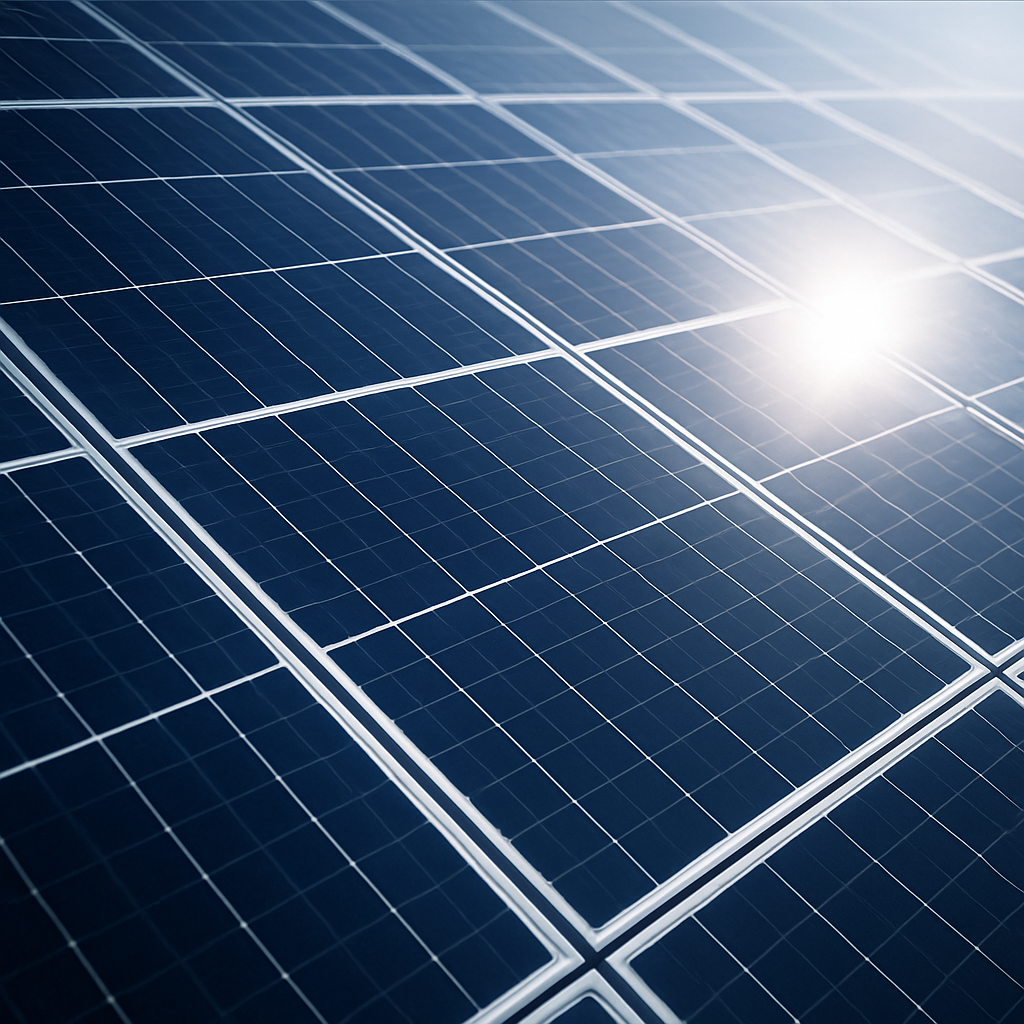
Solar panels convert sunlight directly into electricity through the photovoltaic effect. When sunlight hits the silicon cells in solar panels, it creates an electric field that causes electricity to flow. This direct current (DC) is converted to alternating current (AC) by an inverter, which can be used in your home or fed back to the grid.
Calculating Your Electricity Savings
The amount you save depends on several factors: your daily electricity consumption, system size, location, and sunlight availability. On average, a residential solar system can save 70-90% of electricity bills. For example, a 5kW system producing approximately 6,000 units annually can save ₹60,000-₹90,000 per year depending on your location and electricity tariff.
Net Metering Benefits
Net metering allows you to feed excess solar energy back to the grid and earn credits on your electricity bill. If your system generates more power than you use during the day, the extra electricity goes to the grid, and you get compensated at the prevailing rate. This significantly increases the financial benefit of solar installation.
Battery Storage for Maximum Savings
Adding battery storage to your solar system allows you to store excess energy for use at night or during cloudy days. This means you can use more of your generated solar energy instead of purchasing from the grid, leading to even higher savings. Battery systems typically pay for themselves within 7-10 years.
Government Incentives and Subsidies
The central and state governments offer various subsidies and tax incentives for solar installations. These can reduce your installation cost by 30-40%. Additionally, you can benefit from accelerated depreciation, where you depreciate 80% of the system cost in the first year for commercial systems.
Return on Investment
Most solar systems achieve ROI within 5-7 years. After that, you essentially get free electricity for the remaining 20-25 years of the system's lifespan. This makes solar installation one of the best long-term investments for homeowners and businesses.
Conclusion
Solar panels provide a reliable, cost-effective solution to reduce your electricity bills significantly. Combined with net metering, battery storage, and government incentives, you can achieve substantial financial savings while contributing to environmental sustainability. Contact us today for a free consultation and personalized quote.
Frequently Asked Questions
How long does a solar system last?
Modern solar systems last 25-30 years with minimal degradation. We provide 25-year product warranties.
Does my roof need modifications?
Most roofs require minimal modifications. We conduct a free structural assessment to ensure compatibility.
What happens during cloudy days?
Solar panels still generate electricity on cloudy days, though at reduced capacity. Battery storage helps bridge this gap.