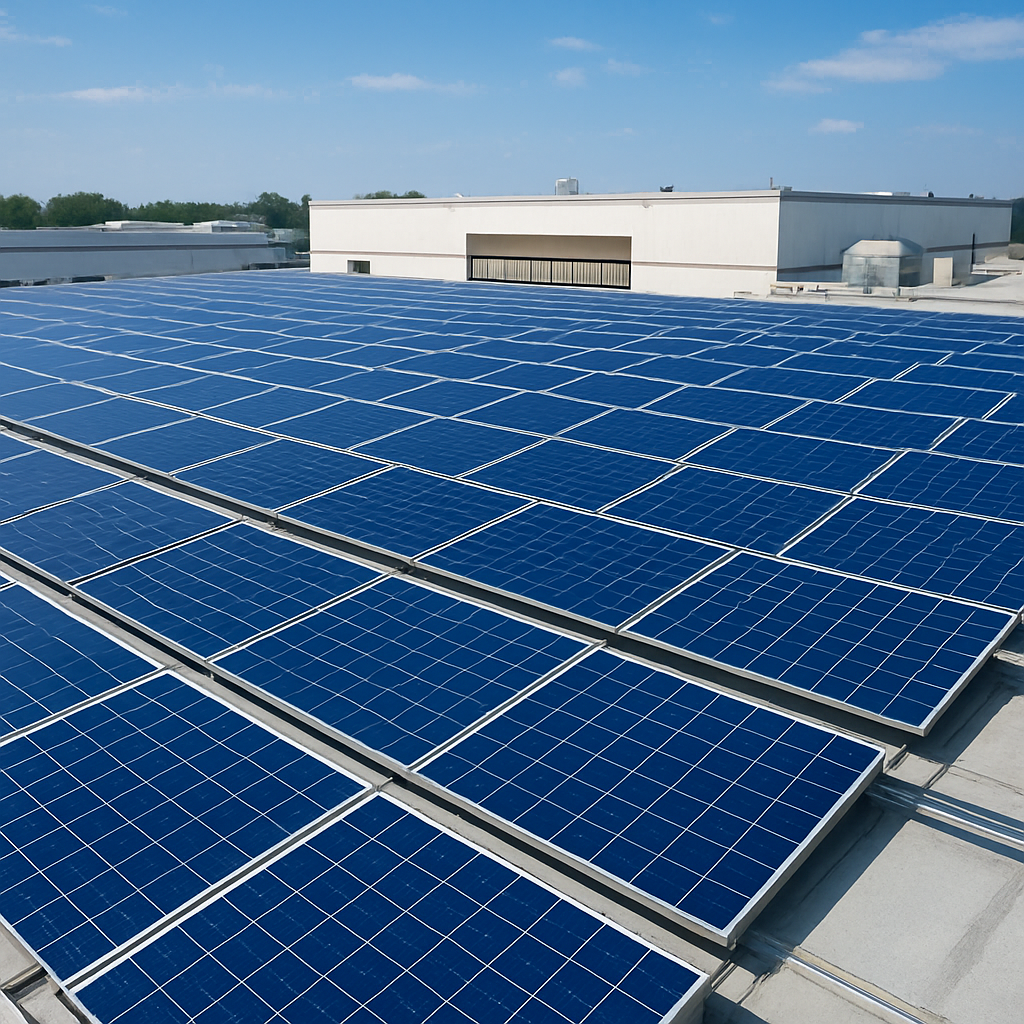
System Size and Capacity
Residential solar systems typically range from 1kW to 10kW, designed to meet the energy needs of individual homes. Commercial systems are significantly larger, ranging from 10kW to several hundred kilowatts or even megawatts. This size difference reflects the vastly different energy consumption patterns of homes versus businesses.
Installation and Complexity
Residential installations are relatively straightforward, typically mounted on rooftops and connected to a single-phase grid connection. Commercial installations are more complex, often requiring ground-mounted arrays, structural engineering, three-phase grid connections, and sophisticated monitoring systems. The installation timeline also differs—residential typically takes days while commercial can take weeks or months.
Cost Considerations
While commercial systems have higher upfront costs, they achieve much lower per-watt costs due to economies of scale. A 5kW residential system might cost ₹3-4 lakhs, while a 50kW commercial system might cost ₹25-30 lakhs, making the per-watt cost lower. Commercial systems also benefit from more attractive financing options and tax benefits.
Return on Investment
Both residential and commercial systems offer excellent ROI. Residential systems typically achieve 5-7 year payback periods, while commercial systems often achieve payback in 3-5 years due to higher electricity consumption and rates. After payback, you enjoy decades of free or dramatically reduced electricity costs.
Maintenance and Monitoring
Residential systems require basic periodic cleaning and occasional inspections. Commercial systems require more rigorous monitoring, preventive maintenance, and performance analytics to ensure optimal operation. Many commercial installations include real-time monitoring systems and automated alerts for any performance issues.
Regulatory and Compliance Issues
Residential installations have simpler permitting and compliance requirements. Commercial installations involve more complex approvals, structural engineering certifications, three-phase grid integration approvals, and various state and local regulations. These additional requirements increase documentation and timeline but ensure proper system integration.
Which is Right for You?
Choose residential solar if you're a homeowner looking to reduce electricity bills and achieve modest energy independence. Choose commercial solar if you operate a business, factory, or facility with significant electricity consumption and want to maximize your return on investment and reduce operational costs.
Conclusion
Both residential and commercial solar systems offer proven financial and environmental benefits. The choice depends on your specific situation, energy needs, available space, and financial capacity. I Lift Energy can guide you through the selection process and design the perfect system for your requirements.